← Back to EMF Signal Electromagnetic Biology and Medicine
Research

Ultrapure water contains more reactive oxygen species after exposure to a 50 Hz electromagnetic field

November 1, 2026 (EMFS)
Oct 29, 2026 (original)
Source: Electromagnetic Biology and Medicine
Source category: Research
AI use
A Greek team at the University of Patras, along with the University of Washington professor emeritus Henry Lai, held ultrapure water in a 50 Hz electromagnetic field at 1 millitesla for more than a year, measuring hydroxyl radicals, superoxide radicals and hydrogen peroxide against matched unexposed samples. All three ran higher in the exposed water, and the gap widened with time, fastest for hydroxyl radicals. Power-frequency fields carry far too little energy to break chemical bonds, so the authors propose a magnetic field effect on short-lived radical pairs instead, and note that water holds none of the enzymes or antioxidant defences a living system would bring to the same reaction.
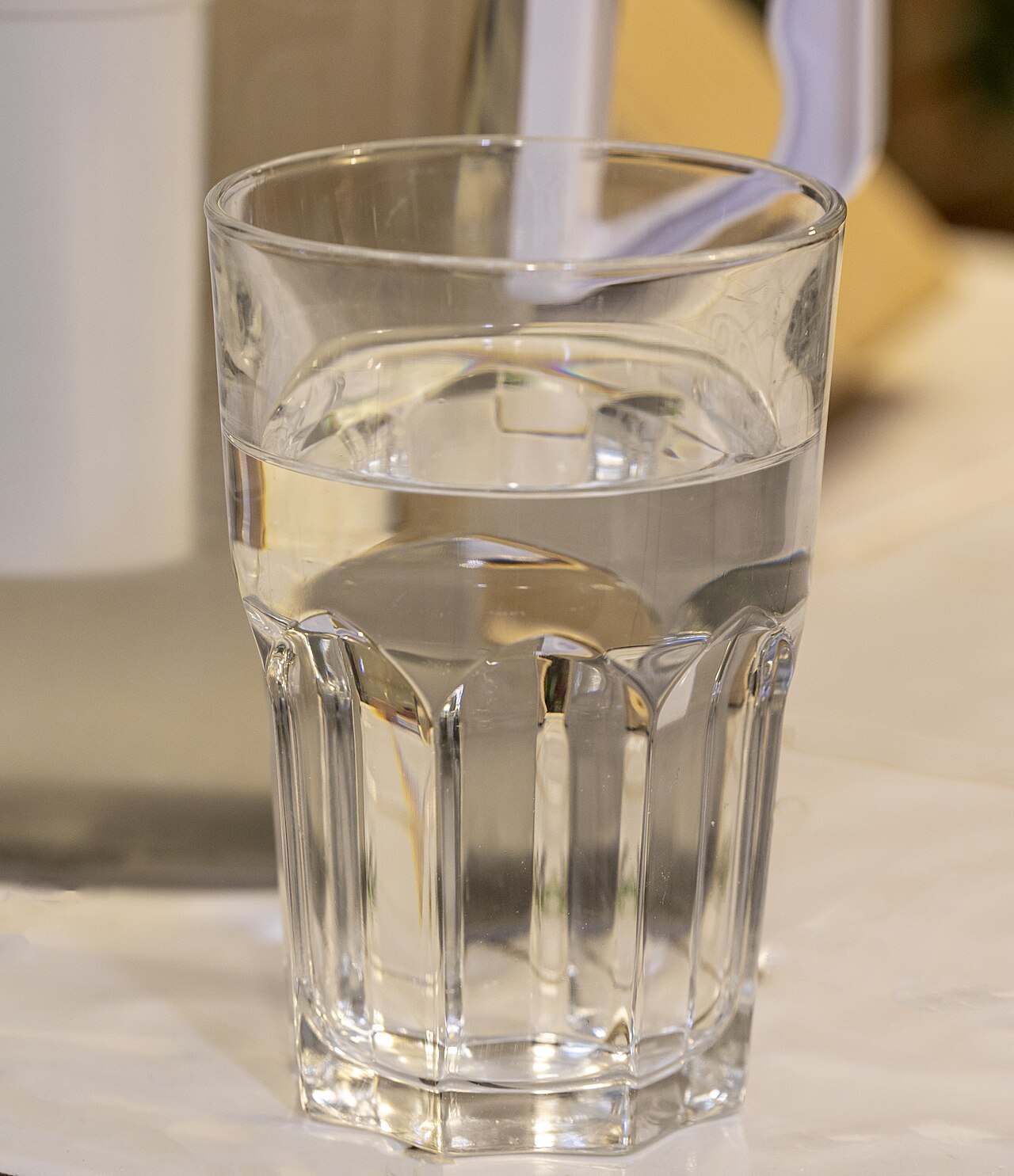
A plain faceted drinking glass filled with clear water, standing on a white surface.
An ordinary glass of drinking water. What the study held in the field was ultrapure water, with no cells, enzymes or dissolved organics, not water as it comes out of a tap. Photo: Alabama Extension via Wikimedia Commons.
Exposure note: 50 Hz is the frequency of the European power grid, and 1 millitesla is far above everyday residential fields, which sit in the microtesla range. For scale, 1 millitesla is five times the 200 microtesla public reference level in ICNIRP's 2010 low-frequency guidelines (Table 4, page 827), and exactly equal to the 1 millitesla occupational reference level in Table 3 on the same page. The authors describe the field as externally applied and non-thermal, and it ran continuously for more than a year. The sample was ultrapure water, with no cells, enzymes or dissolved organics, which is what makes the measurement clean and also what stops it being a biological result.

Quotes

"Over 1 year, continuously exposed water samples consistently showed higher ROS levels than matched non-exposed samples."

— Georgiou et al.

"Because ELF-EMFs do not carry enough energy to break covalent chemical bonds directly, our findings are not readily explained by direct energy-driven bond breaking or radiolysis and may instead be compatible with subtle modulation of pre-existing chemical processes."

— Georgiou et al.

"Since the experiments were performed in ultrapure water, further studies are needed to determine whether similar effects occur in living systems, where antioxidant defenses, enzymes, cellular compartmentalization, and other regulatory processes may substantially modify or prevent such responses."

— Georgiou et al.

Exposure

"This study investigates the long-term generation of reactive oxygen species (ROS) in ultrapure water exposed samples (ES) to extremely low-frequency electromagnetic fields (ELF-EMF; 50 Hz, 1 mT) under controlled, external non-thermal conditions."

— Georgiou et al.

Location

📍 Greece

Map: Greece

Source

Generation of •OH, O2•-, and H2O2 in ultrapure water under 50-Hz ELF-EMF exposure. pubmed.ncbi.nlm.nih.gov

📄 Underlying Research

Generation of •OH, O2•-, and H2O2 in ultrapure water under 50-Hz ELF-EMF exposure.

Georgiou CD, Varemmenou A, Michail E, Kalaitzopoulou E, Lai HC (2026) Electromagnetic Biology and Medicine Journal Level 1ⓘ

🔗 DOI 📚 PubMed 📰 Full Article

Related coverage

More on this topic